Chimi Burger Explained: Dominican Street Food's Tangy History
Step onto the vibrant streets of the Dominican Republic, and your senses will instantly be greeted by an intoxicating symphony of sounds, sights, and most notably, smells. Amidst the lively chatter and merengue beats, one aroma stands out, beckoning you towards the nearest food cart: the tantalizing scent of a sizzling Chimi Burger. More than just a sandwich, the "chimi" is a culinary icon, a testament to Dominican ingenuity, and a delightful paradox in its naming, sparking curiosity about its connection to the famed Argentine chimichurri sauce.
This comprehensive guide dives deep into the Chimi Burger's fascinating origins, dissects its irresistible components, and clarifies the intriguing relationship it shares with its namesake condiment. Prepare to discover why this humble street food has captured the hearts (and stomachs) of locals and global food enthusiasts alike.
The Chimi Burger: A Dominican Culinary Icon
What is a Chimi Burger?
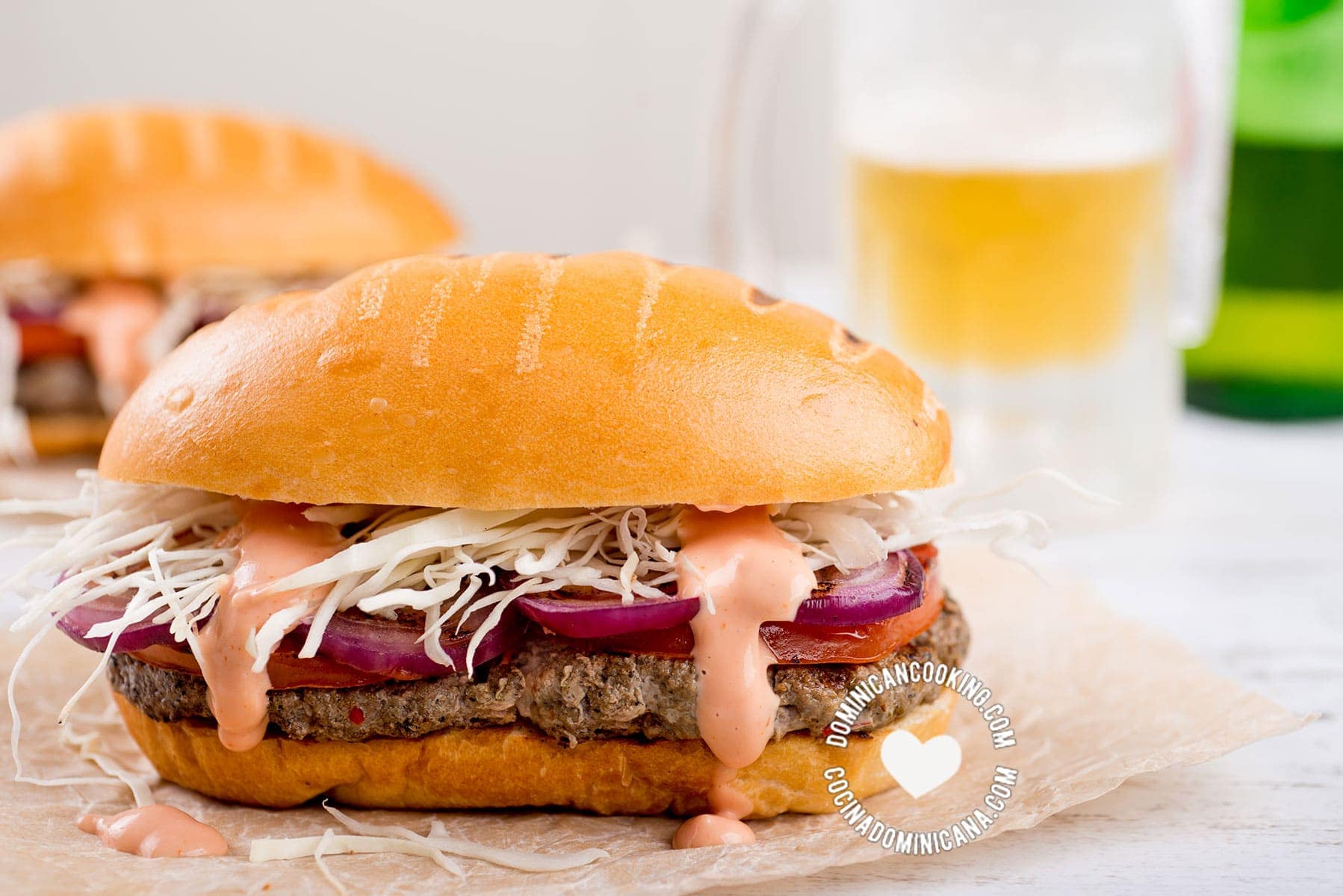
At its core, the Chimi Burger, affectionately known as the "chimi" or "chimi dominicano," is a quintessential Dominican street food. Imagine a thin, oblong patty of seasoned ground beef (sometimes blended with pork), expertly grilled to juicy perfection. This savory patty finds its home inside a soft yet slightly crusty pan de agua roll, a traditional Dominican water bread. But what truly elevates the chimi is its vibrant assembly of fresh toppings: a generous pile of shredded cabbage slaw for crunch, thinly sliced ripe tomatoes for tang, and a delicate scattering of finely cut onions for a subtle sharpness. The grand finale? A liberal drizzle of a special, pink-hued sauce – the Dominican "chimichurri" – that delivers a unique blend of sourness and mild spice, tying all the flavors together in perfect harmony.
A Taste of Dominican History: The Birth of the Chimi
The story of the Chimi Burger is as rich and flavorful as the sandwich itself. Its origins trace back to the bustling streets of Santo Domingo in the 1970s, a period when culinary innovation was bubbling. The credit for this iconic creation is often bestowed upon Juan Abrales, an Argentine immigrant cook. Operating a popular street cart, Abrales adapted the beloved Argentine choripán – a grilled sausage sandwich – for his Dominican clientele. Crucially, he incorporated a splash of the authentic Argentine chimichurri sauce onto his sandwiches. Customers, captivated by this new flavor, began requesting "the sandwich with chimichurri," and thus, the name "chimi" was born as a colloquial abbreviation.
However, as with many culinary evolutions, the Chimi Burger began to forge its own distinct identity. Over time, the traditional herb-based Argentine condiment was gradually replaced by a unique local sauce, specifically tailored to Dominican palates. This evolution solidified the chimi's status as a truly Dominican creation, despite its Argentine roots and the enduring, albeit somewhat misleading, name.
Deconstructing the Chimi: Flavors and Ingredients
The Patty and the Pan de Agua
The foundation of any great chimi is its patty. Typically made from finely seasoned ground beef, it's pressed thin and formed into an oblong shape, designed to fit snugly within the pan de agua. The grilling process imparts a beautiful char and caramelization, locking in the savory juices. The pan de agua itself is no ordinary bun. Its soft interior provides a comforting bed for the fillings, while its subtly crusty exterior adds a pleasant textural contrast, making each bite an experience.
The Fresh Fixings
The toppings are where the chimi truly comes alive with vibrant freshness. The shredded cabbage, often lightly pickled or seasoned, offers a crisp, refreshing crunch that cuts through the richness of the meat. Sliced tomatoes contribute a sweet and tangy burst, while the thinly cut onions provide a mild, aromatic bite. These fresh elements are not mere garnishes; they are integral components that balance the sandwich's richness and complexity.
The "Chimichurri" Sauce: Dominican Style
Here lies the heart of the Chimi Burger's unique identity and the source of its fascinating nomenclature. While the name "chimichurri" evokes images of a bright green, herb-packed Argentine sauce, the Dominican version is a world apart. The local "chimi" sauce is a creamy, tangy, and mildly spicy concoction, typically a beautiful pink hue. Its secret lies in a masterful blend of common pantry staples:
- Mayonnaise and Ketchup: Forming a creamy and sweet-tangy base.
- Worcestershire Sauce: Adding a layer of umami depth.
- Orange Juice: Providing a crucial citrusy tang that brightens the entire sauce.
- Seasonings: Including garlic powder, onion powder, and a touch of crushed red pepper for a subtle kick.
This distinct sauce is what defines the Chimi Burger, giving it its signature sour and mildly spicy contrast. It's important to differentiate this Dominican creation from its South American namesake. For those interested in the traditional, vibrant green condiment, learn more about Crafting Classic Chimichurri: The Vibrant Argentine Herb Sauce, which truly is a grilled steak's best friend, bursting with parsley, garlic, oregano, and red wine vinegar. To further clarify the differences and appreciate both culinary legends, we recommend reading Chimichurri vs. Chimi: Unraveling Two Distinct Culinary Legends.
Why the Chimi Burger Captivates
Affordability and Accessibility
A significant part of the Chimi Burger's enduring appeal is its affordability and widespread availability. From bustling street corners in Santo Domingo to late-night food trucks across the island, chimis are readily accessible. Priced typically between 200–300 Dominican pesos (approximately US$3–5), it offers incredible value, making it a go-to choice for a quick, satisfying, and budget-friendly meal at any time of day or night. Its portable nature, often wrapped simply in paper, makes it the perfect on-the-go snack.
Cultural Significance
Beyond its delicious taste and convenient format, the Chimi Burger holds a special place in Dominican culture. It's synonymous with nightlife, casual gatherings, and a sense of community. Sharing a chimi with friends after a night out is a quintessential Dominican experience, embodying the relaxed, joyful spirit of the island.
Beyond the Island: Chimi in the Diaspora
The popularity of the Chimi Burger isn't confined to the Dominican Republic. As Dominican communities have flourished globally, particularly in cities like New York, the chimi has traveled with them. Here, variations might emerge, sometimes incorporating premium ingredients like grass-fed beef, but the core flavors, assembly, and spirit of the Dominican street food legend remain intact, offering a taste of home to Dominicans abroad and an exciting new flavor profile for curious foodies.
Making Your Own Chimi Burger: Tips for the Home Cook
Bringing the magic of the Chimi Burger into your own kitchen is a rewarding experience. While the street food version has its unique charm, you can recreate its essence with these tips:
The Patty Perfection
- Season Generously: Use a blend of garlic powder, onion powder, oregano, cumin, salt, and pepper for your ground beef. Some prefer a touch of finely minced bell pepper or cilantro.
- Go Thin and Oblong: Form your patties to be roughly 1/4 to 1/2 inch thick and an elongated oval shape to fit a hoagie-style roll.
- High Heat, Quick Sear: Grill or pan-fry your patties over medium-high heat for 2-3 minutes per side to achieve a good sear while keeping them juicy.
Crafting the Dominican "Chimi" Sauce
While exact recipes vary, a good starting point for your Dominican "chimi" sauce (not to be confused with traditional Argentine chimichurri) includes:
- 1/2 cup mayonnaise
- 1/4 cup ketchup
- 1 tablespoon Worcestershire sauce
- 1-2 tablespoons fresh orange juice (crucial for tang!)
- 1 clove garlic, minced very fine (or 1/2 tsp garlic powder)
- Pinch of crushed red pepper flakes (optional, for mild heat)
- Salt and pepper to taste
Whisk all ingredients together and let it rest in the fridge for at least 30 minutes to allow the flavors to meld. This resting period is just as important for this sauce as it is for its green Argentine counterpart!
Assembling Your Masterpiece
The order of assembly matters for the full chimi experience:
- Lightly toast your pan de agua (or a soft hero/hoagie roll).
- Place the grilled patty on the bottom half.
- Generously spoon your homemade Dominican "chimi" sauce over the patty.
- Add a layer of shredded cabbage, followed by sliced tomatoes and onions.
- Drizzle a little more sauce on the top half of the bread before closing.
- Wrap it tightly in paper for that authentic street food feel!
The Chimi Burger stands as a delicious emblem of Dominican culinary heritage, a testament to how global influences can be transformed into something uniquely local and beloved. Its tangy history, rich flavors, and cultural significance make it far more than just a sandwich—it's an experience. So, the next time you encounter a Chimi Burger, savor each bite, appreciate its journey, and remember the intriguing story behind its name and the distinct Dominican "chimichurri" that makes it truly unforgettable.
