Chimichurri vs. Chimi: Unraveling Two Distinct Culinary Legends
In the vibrant tapestry of Latin American gastronomy, certain names resonate deeply, often carrying a rich history and distinct flavor profile. Two such names, chimichurri and “chimi,” frequently cause delightful confusion. While they share a linguistic root and a fascinating origin story, these two culinary legends represent vastly different experiences on the plate. Are you expecting a zesty herb sauce to adorn your steak, or a hearty, tangy street burger? This article will unspool the delicious tale of both, clarifying their unique identities, origins, and how to appreciate each in its own right.
The Verdant Heart of Argentine Cuisine: Classic Chimichurri
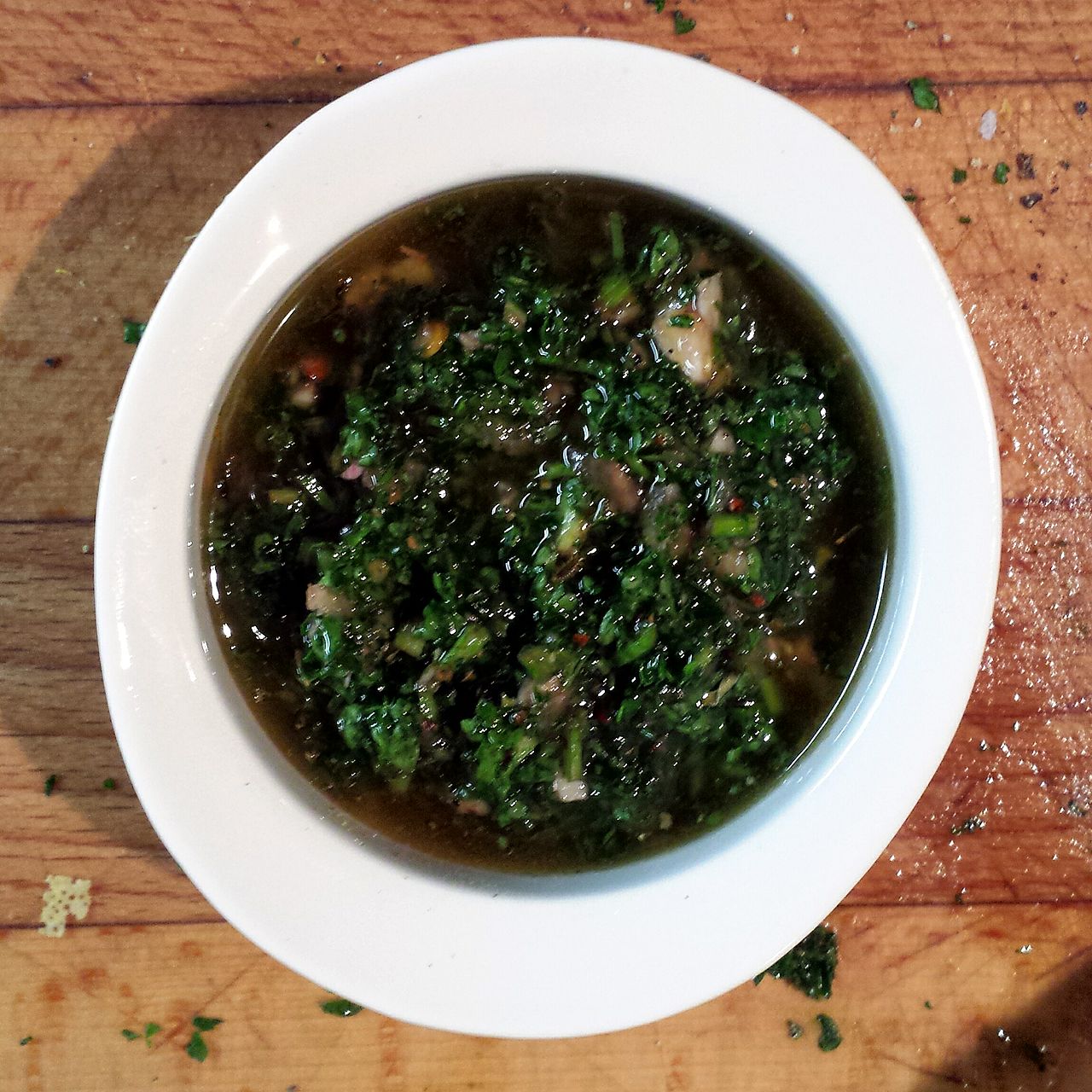
At its core, chimichurri is a quintessential Argentine condiment – a vibrant, uncooked herb sauce that has captivated palates worldwide. Hailing from the vast plains of Argentina, where grilled meats (asado) are a way of life, chimichurri serves as the ultimate companion to succulent steaks, sausages, and other barbecued delights.
The magic of traditional Argentine chimichurri lies in its simplicity and the freshness of its ingredients. Envision a bright green elixir crafted from generous handfuls of fresh parsley and often a touch of oregano, finely chopped or pulsed. This aromatic foundation is then enlivened by a robust punch of garlic – sometimes as much as four whole cloves – creating an irresistible fragrance that promises a flavor explosion. A crucial element for its signature tang is red wine vinegar, which provides a zesty counterpoint to the richness of meats. A subtle warmth comes from crushed red pepper flakes, while olive oil emulsifies everything into a harmonious, pourable sauce. Pantry staples like salt and pepper round out this exquisite blend.
The preparation is refreshingly straightforward. While traditionalists might insist on hand-chopping for a specific texture, a food processor can bring all these components together quickly. However, patience is key: a short resting period allows the myriad flavors to meld and deepen, transforming individual ingredients into a cohesive, tantalizing whole. The result is a sauce that is not only visually stunning but also incredibly versatile. Beyond its traditional role as a steak enhancer, chimichurri can elevate roasted vegetables, grilled fish, or even serve as a lively marinade. It’s a testament to the power of fresh herbs and bold flavors to transform any dish into something extraordinary.
For those eager to master this classic, diving deeper into the nuances of ingredient selection and technique is a rewarding journey. Learn more about its preparation and history in our detailed guide: Crafting Classic Chimichurri: The Vibrant Argentine Herb Sauce.
The Iconic Dominican "Chimi": A Street Food Sensation
Now, let's journey from the South American plains to the vibrant streets of the Dominican Republic, where "chimi" takes on an entirely different, albeit equally delicious, meaning. The Chimichurri burger, universally known as the "chimi" or "chimi dominicano," is a beloved staple of Dominican street food culture. It’s not a sauce, but a complete, compact, and utterly satisfying sandwich.
The chimi burst onto the scene in the 1970s in Santo Domingo, often attributed to Argentine immigrant chef Juan Abrales. Abrales, operating a humble street cart, adapted the Argentine choripán (a grilled sausage sandwich with chimichurri sauce) for the local palate. His customers would request the "sandwich with chimichurri," and over time, the name stuck, even as the sandwich itself evolved dramatically. Today, the modern Dominican chimi bears little resemblance to its Argentine namesake in terms of its sauce, yet it carries the legacy in its abbreviated title.
What exactly constitutes a chimi? It typically features a thin, oblong patty of seasoned ground beef, often mixed with pork, grilled to juicy perfection. This savory patty is nestled within a soft, yet crusty water bread roll called pan de agua. The toppings are a crucial part of the chimi experience: a generous pile of shredded cabbage slaw provides a refreshing crunch, complemented by slices of ripe tomato for acidity and thinly cut onions for a sharp bite. But the true signature of the chimi, and where it truly diverges from its Argentine cousin, is its special sauce. This "chimi sauce" is a tangy, often pink-hued concoction, typically blending mayonnaise, ketchup, Worcestershire sauce, a hint of orange juice, and various seasonings, creating a creamy, mildly spicy, and uniquely Dominican flavor profile that perfectly ties all the elements together.
The chimi is designed for portability and immediate consumption, often wrapped in paper and enjoyed on the go from bustling food carts and trucks. It's a quintessential part of Dominican nightlife and casual dining, widely available and affordably priced, usually between 150 and 250 Dominican pesos (approximately US$2.50-$4.20). Its popularity has also spread within the Dominican diaspora, particularly in cities like New York, where variations continue to celebrate its core flavors. The chimi offers a delightful symphony of textures and tastes: the hot, caramelized beef, the cool crispness of the vegetables, and the smooth, tangy sauce—all within a perfectly sized, snackable sandwich.
Intrigued by this delicious street food? Discover more about its fascinating history and cultural impact here: Chimi Burger Explained: Dominican Street Food's Tangy History.
Bridging the Gap: How the "Chimi" Got Its Name (and Evolved)
The journey from an Argentine herb sauce to a Dominican street burger with a completely different dressing is a fascinating testament to culinary adaptation and linguistic evolution. The initial spark for the Dominican "chimi" was indeed the Argentine chimichurri sauce. When Juan Abrales began serving his adapted choripán-style sandwiches, he incorporated the then-familiar Argentine sauce. Customers, seeking to identify this new, exciting offering, naturally referred to it as "the sandwich with chimichurri." As often happens with popular dishes, the name was quickly shortened and localized to "chimi."
However, as the dish gained traction and became entrenched in Dominican culture, the original Argentine sauce was gradually replaced by a locally developed condiment. This new "chimi sauce" was crafted from readily available ingredients and tailored to Dominican taste preferences, resulting in the creamy, tangy, and subtly spicy concoction we know today. The name, nevertheless, remained, showcasing how culinary history can leave a lasting imprint even as dishes transform. This divergence highlights a universal truth in gastronomy: food cultures are dynamic, constantly evolving, borrowing, and reinventing to create new, beloved traditions.
Key Differences at a Glance & Culinary Tips
To avoid any future confusion, here’s a quick summary of the main distinctions between these two delicious legends:
Argentine Chimichurri:
- Category: An uncooked herb-based sauce/condiment.
- Origin: Argentina.
- Main Ingredients: Fresh parsley, garlic, red wine vinegar, olive oil, oregano, crushed red pepper.
- Flavor Profile: Bright, fresh, tangy, garlicky, herbaceous, with a mild spicy kick.
- Traditional Use: Drizzled over grilled meats (especially steak), sausages, roasted vegetables.
- Appearance: Vibrant green.
Dominican "Chimi" (Chimichurri Burger):
- Category: A street food sandwich/burger.
- Origin: Dominican Republic.
- Main Ingredients: Seasoned ground beef patty, pan de agua, shredded cabbage, tomato, onion, and a special pink "chimi sauce."
- Flavor Profile: Savory, tangy, creamy, mildly spicy, fresh, hearty.
- Traditional Use: A quick meal or snack, especially popular at night.
- Appearance: A complete, compact burger.
Culinary Tips for Both Legends:
- For Classic Chimichurri:
- Don't Skimp on Fresh Herbs: Quality fresh parsley is non-negotiable for that vibrant flavor.
- Rest is Best: Always allow your chimichurri to rest for at least 30 minutes (or even a few hours in the fridge) for flavors to meld.
- Beyond Meat: Experiment with chimichurri over scrambled eggs, as a salad dressing, or mixed into yogurt for a savory dip.
- For Dominican Chimi:
- The Bread Matters: If you can find pan de agua or a similar soft, crusty roll, it makes a huge difference.
- Patty Perfection: Keep the beef patty thin and oblong to fit the roll and ensure even cooking. Season generously!
- Sauce Customization: While a classic blend exists, feel free to adjust the "chimi sauce" to your preference for sweetness, tang, or heat. A dash of hot sauce is a common addition.
Conclusion
The tales of chimichurri and "chimi" offer a delightful exploration of how culinary traditions evolve and intersect. While one is an iconic Argentine herb sauce revered for its ability to enhance grilled meats, the other is a beloved Dominican street burger, a complete meal in itself, born from adaptation and local ingenuity. Both are culinary legends, rich in flavor and history, and both deserve a place on your must-try list. So, the next time you encounter these intriguing names, you'll know exactly what delicious experience awaits you – whether it's the bright, herbaceous kick of an authentic Argentine chimichurri or the satisfying, tangy embrace of a Dominican chimi burger.
